The Municipality of Legrad is developing a local micro-finance approach to help residents invest in energy efficiency and renewable energy measures as part of the Green and Just Transition. The pilot responds to a practical challenge many households face: although dedicated “green” loans exist, they are often difficult to access, unclear in their terms, or simply not tailored to real-life citizen needs. To better understand where the gaps are, Legrad first mapped local interest in energy-efficiency and renewable measures through direct engagement with residents, while also exploring how familiar citizens are with micro-loans and what prevents them from using them. In parallel, the municipality reviewed offers from eight banks providing specialised loans and found that only a limited share of products are simple enough to motivate broader uptake—suggesting a strong role for local government in bridging the difference between ambition and feasibility.
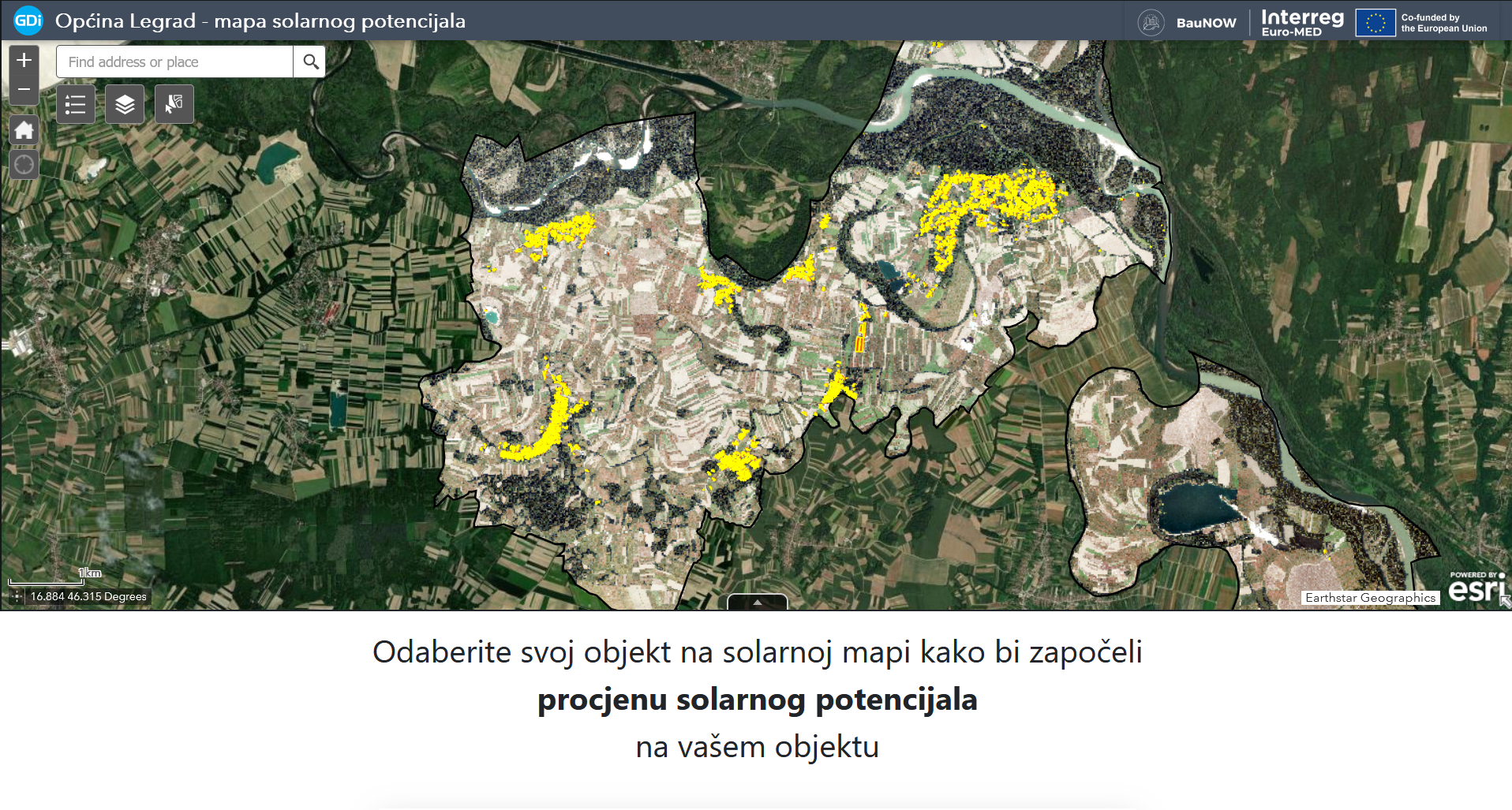
A core element of the pilot is co-creation with the community. Legrad organised citizen-focused activities to build understanding and shape a solution that people would actually use. This included a workshop encouraging solar investments, supported by a locally tailored Solar Potential Map, and focus groups where residents worked together with the municipality to outline a municipal financial instrument—explicitly positioned as not “just another bank loan,” but a complementary and citizen-friendly mechanism. One of the most tangible outcomes so far is the decision to establish a municipal instrument for citizen investments in Green and Just Transition measures, with an initial budget reservation of EUR 10,000 for 2026. The pilot is also testing models that could help attract banks into a partnership framework—for example, a structure where the municipality provides a grant (e.g., EUR 2,000) if the citizen contributes at least the same amount, and the bank adds additional financing through a loan. This kind of combination can increase total investment capacity, reduce perceived risk, and make participation more attractive for all sides. Next steps focus on turning the concept into an operational scheme. Legrad is preparing clear subsidy rules for transparent allocation, exploring different support formats (such as co-financing in partnership with banks, interest co-payments, covering administrative costs, or supporting one loan instalment per year), and planning a public call for banks to join the initiative. First subsidy agreements are expected in the first or second half of 2026. The pilot also brings an important lesson from stakeholder engagement: while national programmes may cover up to 60% of costs, they often require extensive documentation and create uncertainty for applicants—especially when technical design documents must be paid upfront without guarantee of approval. Legrad’s experience indicates that many citizens would accept a lower subsidy share if the procedure is significantly simpler and less burdensome. This is where municipalities can add value by supporting partial measures, addressing measures not covered by national schemes, and simplifying documentation requirements (for example, relying on contractor offers instead of complex technical packages).A